Discover Nihombashi Unagi Isesada Honten
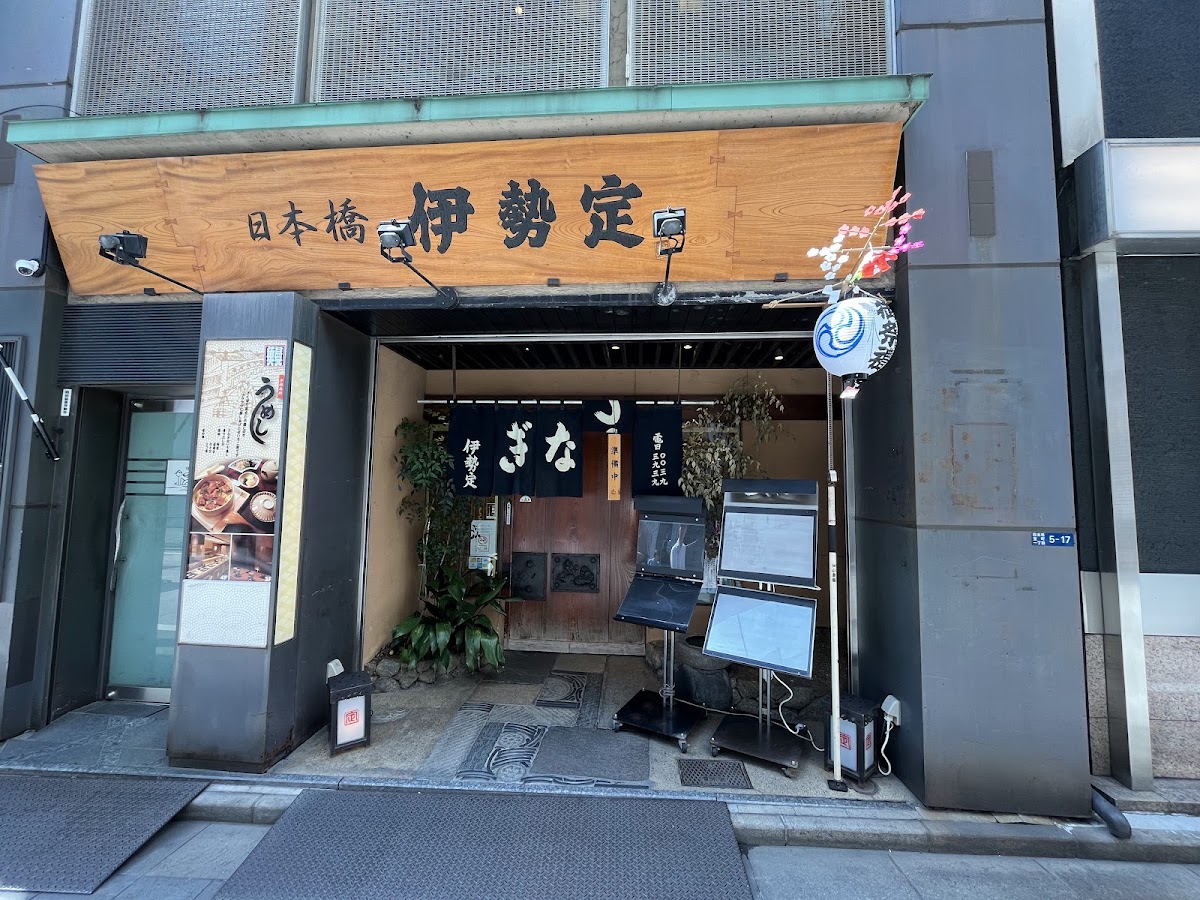
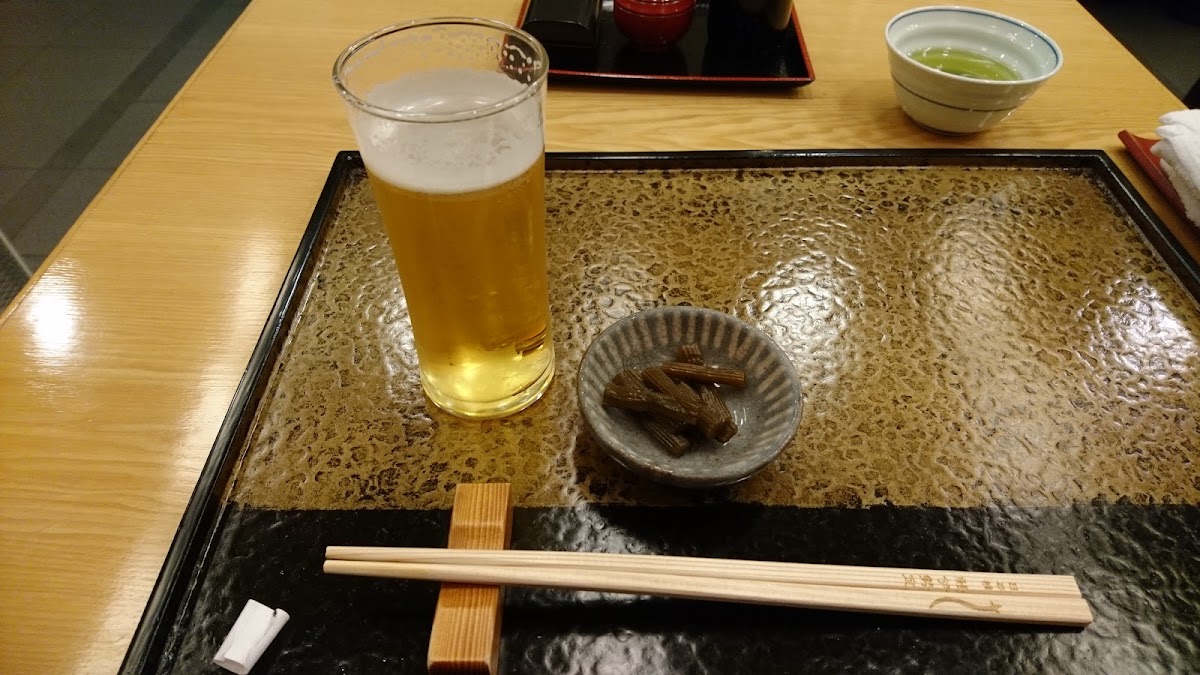
Tucked into the historic streets of Nihonbashi, Nihombashi Unagi Isesada Honten feels like stepping into a living piece of Tokyo’s culinary heritage. The restaurant sits at 1 Chome-5-17 Nihonbashimuromachi, Chuo City, Tokyo 103-0022, Japan, surrounded by modern office buildings and centuries-old department stores. Yet once you slide open the door, the noise fades, replaced by the gentle aroma of charcoal-grilled eel and polished wood that has absorbed decades of smoke and stories.
I first visited on a rainy weekday afternoon after a local food journalist told me, quite seriously, that if I wanted to understand real Edo-style unagi, this was the place. He wasn’t exaggerating. Established in the early 20th century, Isesada Honten has built its reputation on consistency and craftsmanship. According to data from Japan’s Ministry of Agriculture, Forestry and Fisheries, eel consumption in Japan spikes during midsummer’s “Doyo no Ushi no Hi,” a tradition believed to restore stamina. Restaurants like this one carry that cultural legacy forward, serving not just a dish but a ritual.
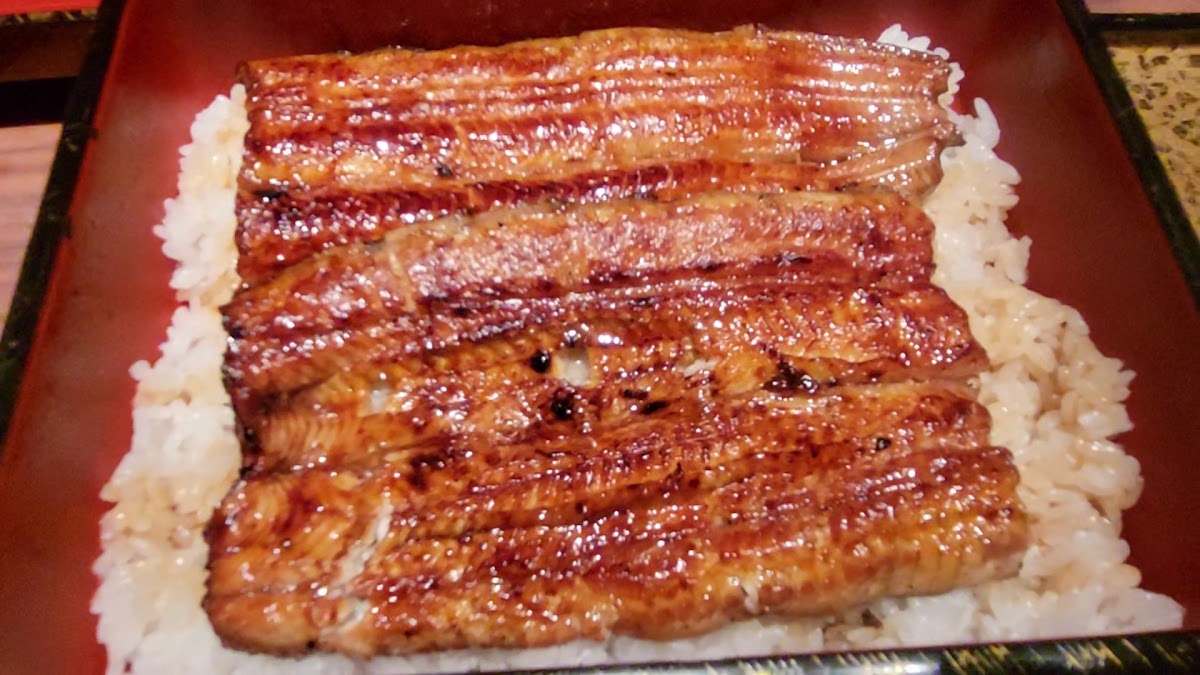
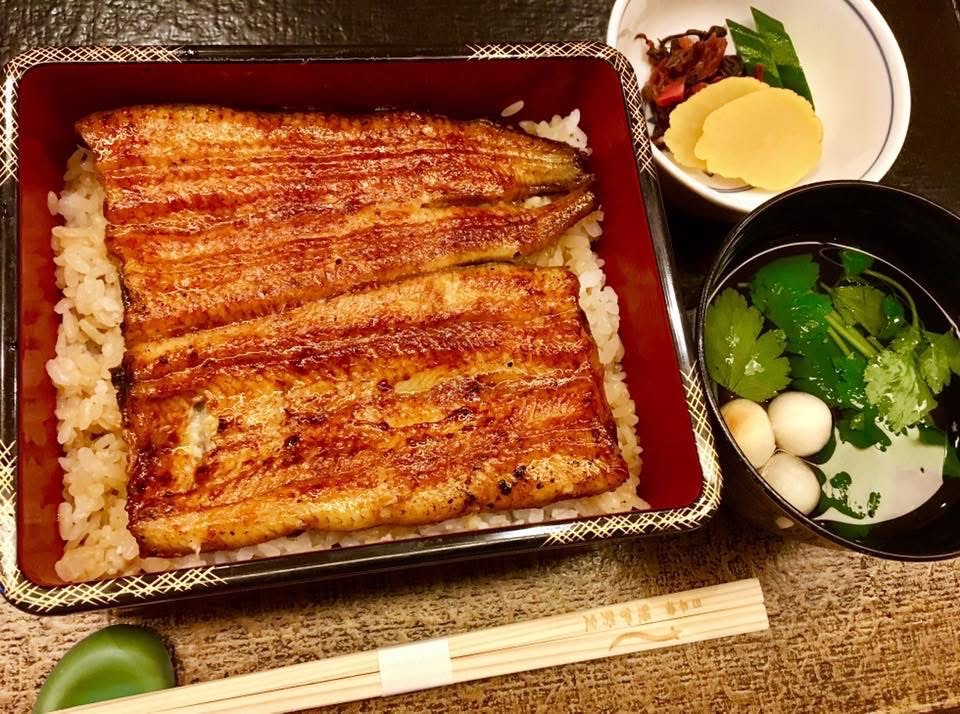
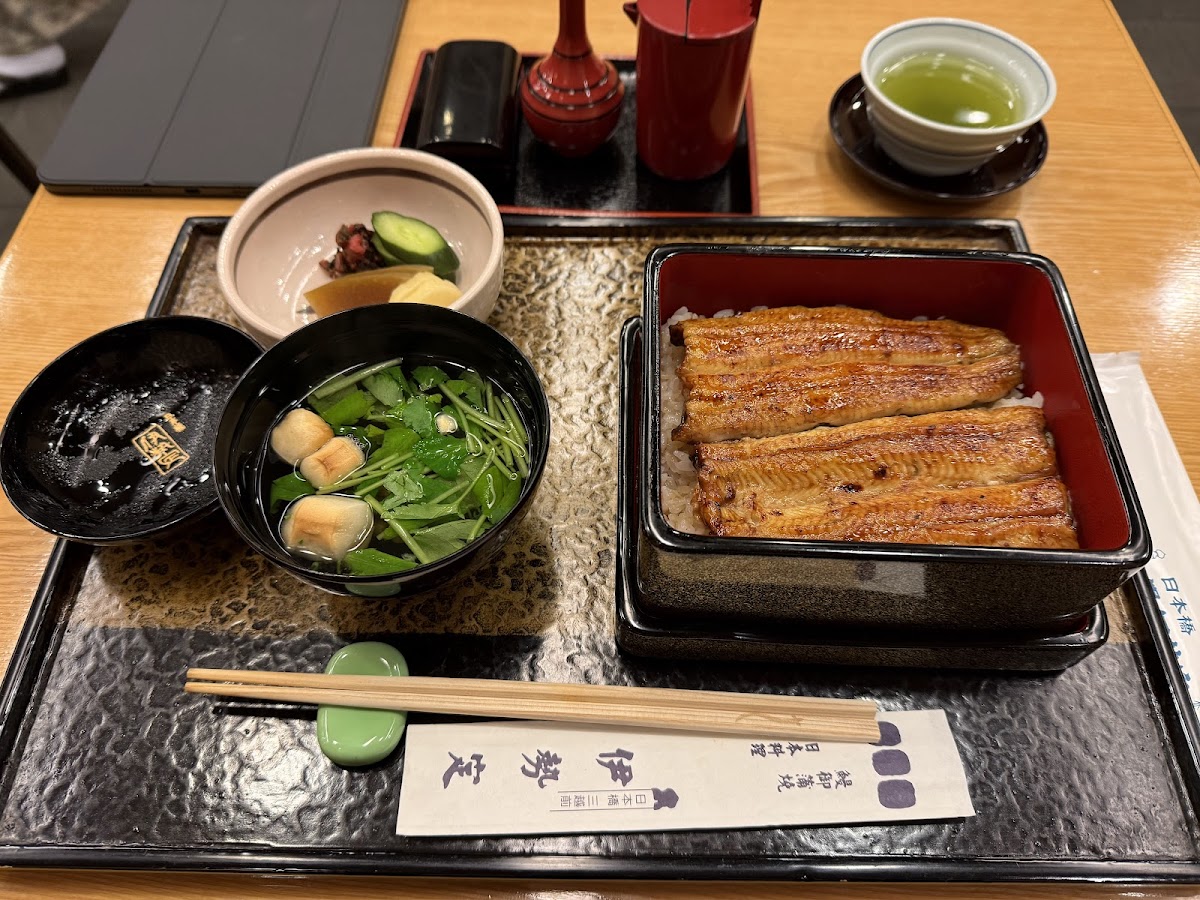
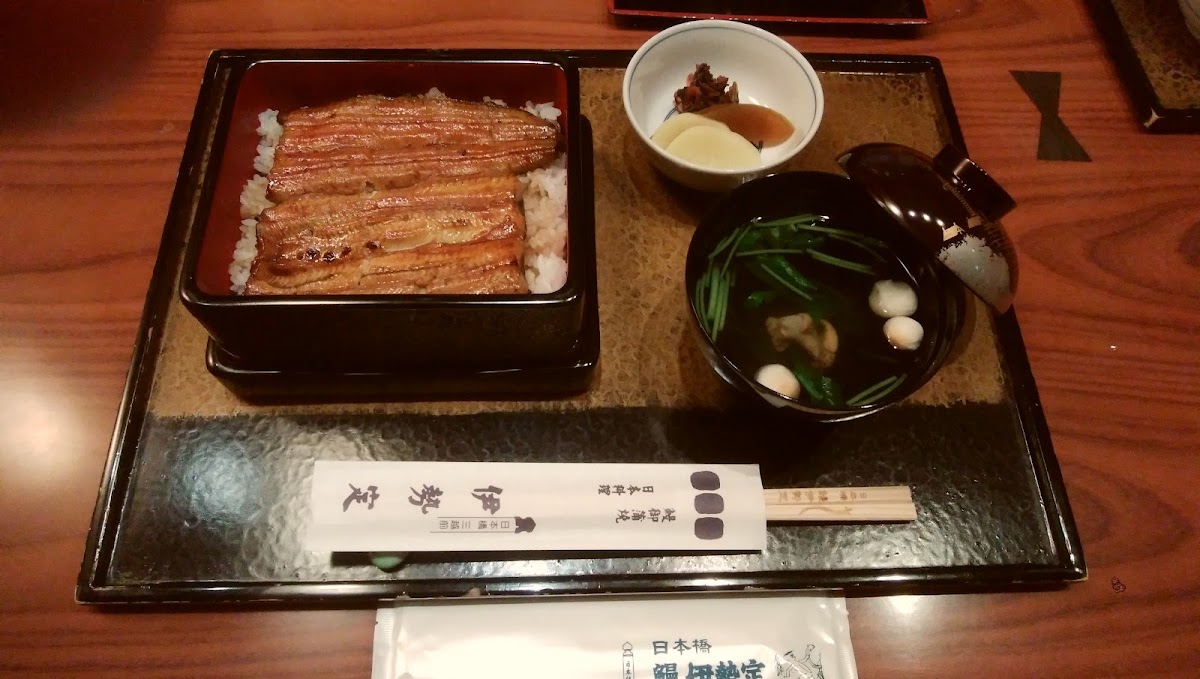
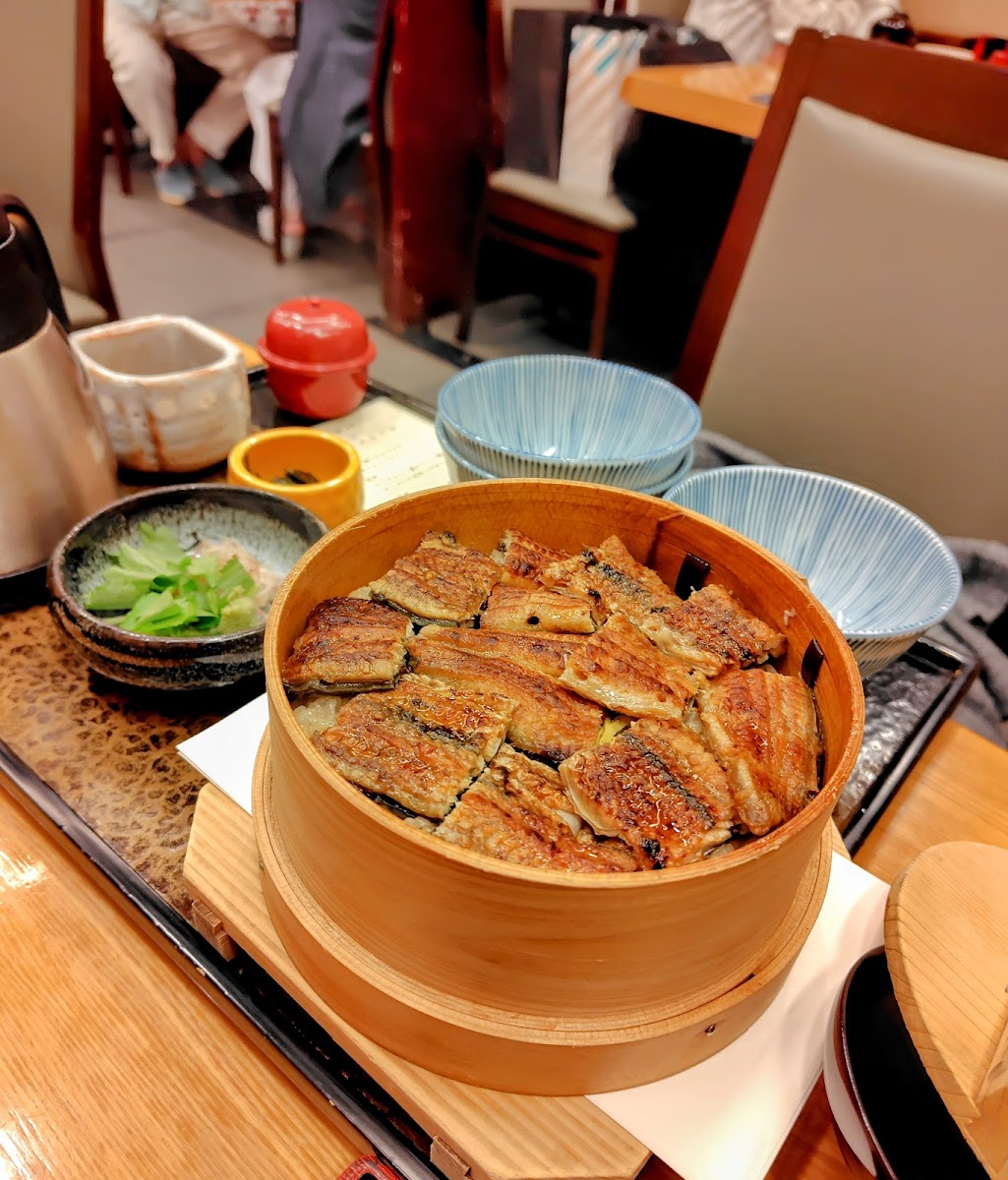
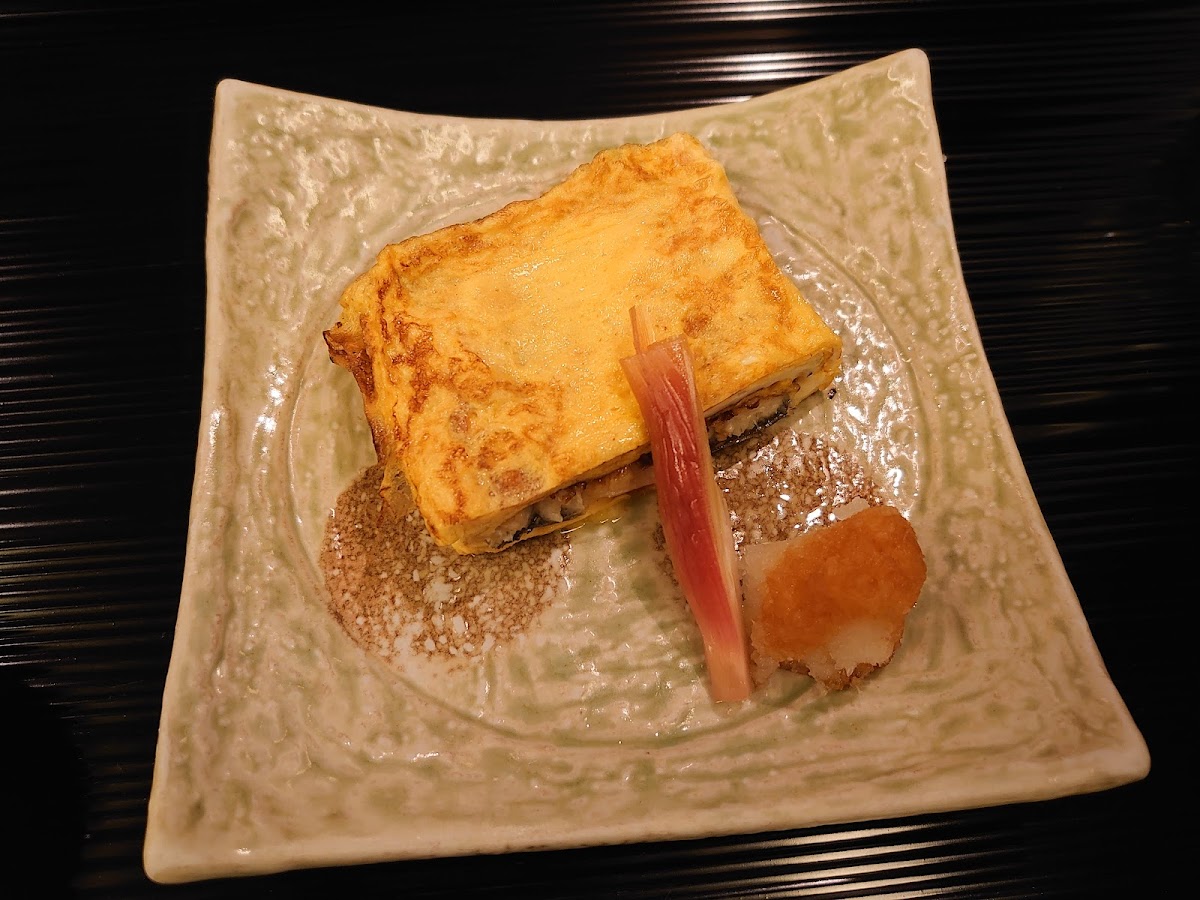
The menu is focused and confident. You won’t find pages of fusion experiments here. Instead, the spotlight stays firmly on unaju (grilled eel over rice in a lacquered box), kabayaki (eel glazed with a sweet soy-based tare sauce), and shirayaki (eel grilled without sauce to highlight its natural flavor). I ordered the classic unaju, and watching the preparation was part of the experience. The chef skewered the eel, steamed it to remove excess fat-a hallmark of Kanto-style technique-then grilled it slowly over binchotan charcoal. This two-step process, common in Tokyo but different from the Kansai method of direct grilling, creates a texture that is tender yet structured.
When the lacquered box arrived, steam rose as I lifted the lid. The eel glistened under a thin coat of caramelized tare. The rice underneath had absorbed just enough sauce without becoming soggy. Each bite balanced sweetness, smokiness, and umami. It wasn’t overpowering; instead, it felt refined, almost precise. That precision is what separates long-standing establishments from trend-driven spots.
Food safety and sourcing also matter here. Japan has strict regulations around eel farming and importation, particularly due to declining wild eel populations. While the restaurant doesn’t publicly detail every supplier, it follows national traceability standards, which reassured me. Sustainability in the unagi industry remains complex, and I appreciate that traditional restaurants acknowledge this challenge rather than ignore it.
Over the years, reviews from both locals and international travelers have consistently praised the restaurant’s attentive service and calm atmosphere. During my visit, the staff explained the difference between regular and premium eel portions without any upselling pressure. They even suggested adding a side of liver soup for a fuller experience, noting that it complements the richness of the grilled eel. That kind of guidance reflects deep expertise rather than scripted hospitality.
The location itself adds another layer of charm. Nihonbashi has long been a commercial heart of Tokyo, and dining here feels connected to that history. After lunch, I walked past nearby cultural landmarks and realized how seamlessly the meal fit into the neighborhood’s identity. It’s not just a restaurant; it’s part of the area’s fabric.
Prices are on the higher side compared to casual diners, but quality explains the difference. Properly prepared eel requires skill, time, and careful sourcing. In my professional experience reviewing Japanese cuisine across Tokyo, corners are often cut in cheaper establishments-either through rushed grilling or overly sweet sauce to mask mediocre fish. At Isesada Honten, nothing tasted rushed or masked.
If you’re exploring Tokyo’s food scene and want something rooted in tradition, this is a place where technique, history, and flavor converge. The menu may be specialized, but that focus is exactly why it stands out. Here, grilled eel isn’t just another item-it’s the reason people return, season after season, year after year.